

Introduction: New horizons in the treatment of cognitive impairment
Cognitive impairment, including age-related memory changes and more serious conditions such as Alzheimer's disease or the effects of stroke, is a major global challenge. It substantially reduces the quality of life of millions of people and places a significant burden on healthcare systems. Conventional treatments often have limited effectiveness and cannot fully halt disease progression or restore lost nervous system functions.
Why are conventional treatments not always effective for cognitive impairment?
Existing drugs intended to improve cognitive function often face several key limitations. Many cannot effectively cross the blood–brain barrier (BBB), the brain's protective mechanism that prevents most substances from entering. This limits their concentration in target areas of the brain and reduces their therapeutic potential.
Low bioavailability in the CNS: Many compounds have difficulty crossing the BBB.
Multiple side effects: Systemic exposure can cause adverse reactions.
Symptomatic treatment rather than treatment of the underlying disease mechanisms: The focus is on relieving symptoms rather than addressing the causes of the disease.
MSC exosomes: A revolution in neuroregeneration?
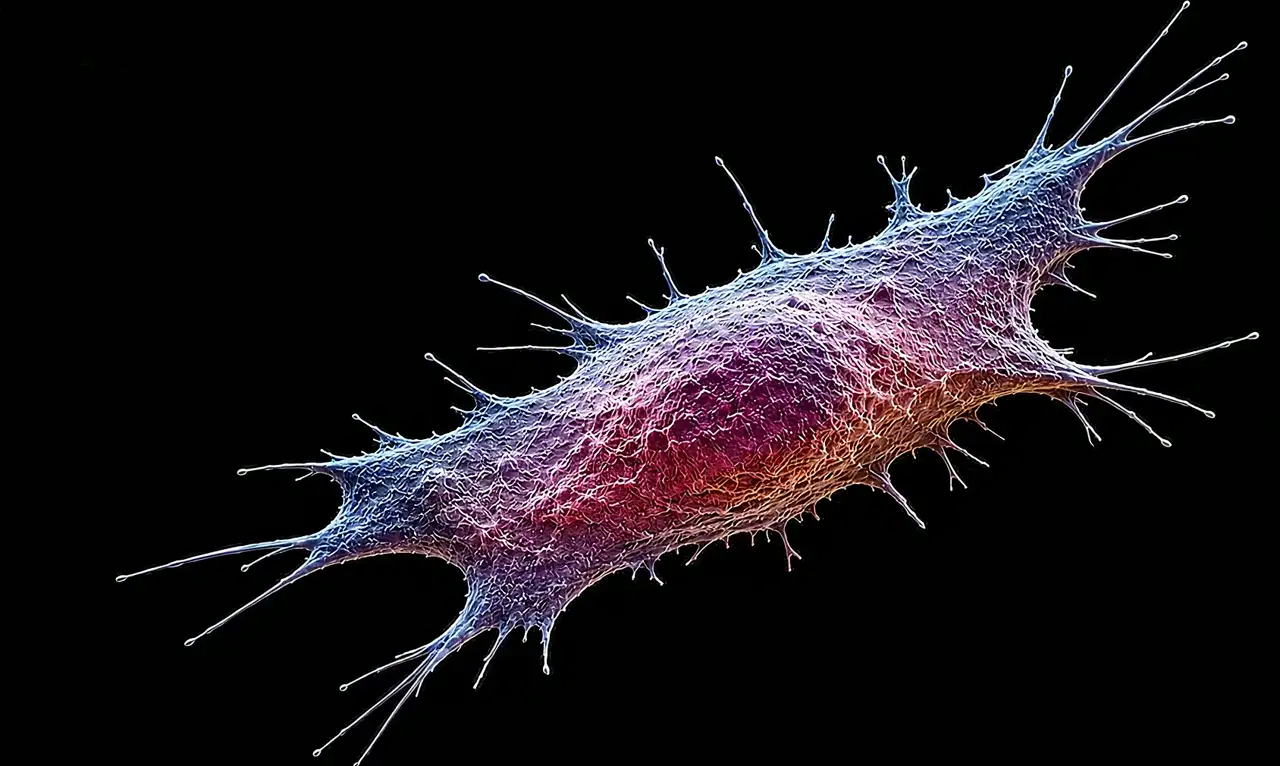
In recent years, therapy with mesenchymal stem cell (MSC)-derived exosomes has emerged as one of the most promising areas of regenerative medicine, offering innovative approaches to treating cognitive disorders. Exosomes are nanoscale extracellular vesicles (30–150 nm) that act as key mediators of communication between cells and can deliver a variety of bioactive molecules, including miRNAs, proteins and lipids (Exosome-Based Therapeutics, n.d.). Their nanoscale size and distinctive lipid composition give exosomes a natural ability to cross the BBB, opening up new possibilities for treating diseases of the central nervous system (CNS) (Exosomes Interactions, n.d.).
Benefits of intranasal exosome delivery to the brain
Intranasal, or nasal, administration of exosomes is a particularly attractive way to deliver therapeutic agents to the brain. This route allows exosomes to reach the CNS directly, bypassing the BBB via the olfactory and trigeminal nerve pathways (Exosome-Based Therapeutics, n.d.). This approach substantially increases exosome bioavailability in the brain and may enhance their therapeutic effects while minimising systemic exposure.
Mesenchymal stem cell (MSC) exosomes represent a breakthrough in the treatment of cognitive impairment, offering a distinctive mechanism for delivering therapeutic factors directly to the brain, particularly through intranasal administration.
What are exosomes and what is their role in neuroregeneration?
Exosomes represent a revolutionary area of regenerative medicine, offering new prospects for treating complex diseases, particularly in neuroregeneration. These natural nanoparticles play a key role in communication between cells by carrying important biological signals and modulating cellular functions.
What are exosomes?
Exosomes are nanoscale extracellular vesicles, measuring 30 to 150 nm in diameter, that are actively released by most cell types (Exosome‐Based Therapeutics, n.d.). They serve as natural ‘parcels’ for biologically active molecules, transmitting information between cells, a process fundamental to maintaining tissue homeostasis.
The role of exosomes in communication between cells
Exosomes contain various miRNAs, proteins, lipids and other biological factors, which they deliver to target cells (Exosomes as a therapeutic tool, n.d.). This complex mechanism allows exosomes to modulate cellular functions, influence gene expression and help regulate many biological processes, including inflammation and regeneration.
What is the potential of MSC exosomes in neuroregeneration?
Mesenchymal stem cell (MSC) exosomes are of particular interest because MSCs themselves are known for their powerful regenerative and immunomodulatory properties (Exosome‐Based Therapeutics, n.d.). MSC-derived exosomes inherit these therapeutic qualities while offering the advantages of a smaller size and the absence of cellular components, which substantially reduces immunogenicity.
Stimulating neurogenesis and restoring neural connections
MSC exosomes can be loaded with specific miRNAs or neurotrophic factors that actively stimulate neurogenesis, the formation of new neurons (Exosomes as a therapeutic tool, n.d.). They also help restore damaged neural connections and improve synaptic plasticity, which is critical to functional recovery.
Suppressing inflammation and clearing pathological proteins
One of the key mechanisms of exosome action is their ability to suppress inflammation in the central nervous system, thereby protecting neurons from further damage (Exosome‐Based Therapeutics, n.d.). They also play a role in clearing pathological proteins, such as tau protein. This is particularly important in neurodegenerative diseases such as Alzheimer's disease and contributes to slowing disease progression.
Mesenchymal stem cell (MSC) exosomes are natural nanocarriers that can not only deliver therapeutic agents but also actively stimulate neuroregeneration, suppress inflammation and help restore neuronal function, opening up new horizons in medicine.
Distinctive delivery pathways: How exosomes cross the blood–brain barrier
The blood–brain barrier (BBB) is a major physiological obstacle that substantially limits the delivery of most therapeutic drugs to the central nervous system (CNS). This makes treating neurodegenerative and other brain diseases extremely challenging. However, recent advances in cell therapy offer new approaches to overcoming this barrier.
How Do Exosomes Cross the Blood–Brain Barrier?
Mesenchymal stem cell (MSC) exosomes, with their distinctive properties and nanoscale size (30–150 nm), can effectively cross the BBB. By naturally passing through this protective system of the brain via specific translocation mechanisms, they serve as powerful vehicles for the targeted delivery of therapeutic agents to the brain.
Intranasal delivery: A direct route to the brain
One of the most promising and effective ways to deliver exosomes to the CNS is intranasal administration. This non-invasive route provides direct access to the brain, bypassing the systemic circulation and a substantial part of the BBB. Exosomes reach the brain via several key pathways:
Through the olfactory nerve pathways, which lead directly to the olfactory bulbs and other areas of the brain.
Through the trigeminal nerve pathways, which enable distribution to different parts of the brainstem and cortex.
Via the vascular route, by passing through capillaries in areas where the BBB is more ‘permeable’, or through specific transport mechanisms in endothelial cells.
Intranasal administration substantially enhances the therapeutic effects of exosomes, achieving up to 90% delivery across the BBB in preclinical models, making it particularly attractive for treating various neurological disorders.
Key takeaway: The nanoscale size of MSC exosomes and the use of intranasal administration allow them to cross the blood–brain barrier effectively, enabling direct and highly efficient delivery of therapeutic substances to the brain.
Therapeutic potential: Neurogenesis, anti-inflammatory effects, and clearance of pathological proteins
Exosomes released by mesenchymal stem cells (MSCs) have unique, multifaceted therapeutic potential aimed at restoring and protecting central nervous system function. Their effects include stimulating neuroregeneration, modulating inflammatory responses, and effectively clearing pathological protein aggregates, which is critically important in neurodegenerative diseases.
How do exosomes stimulate nervous system repair?
MSC-derived exosomes are more than carriers; they actively participate in cellular communication, triggering cascades of repair processes. Their therapeutic value stems from their ability to influence key pathological mechanisms in various brain diseases.
Neurogenesis and synaptogenesis
One of the most important effects of exosomes is the stimulation of neurogenesis—the formation of new neurons—and synaptogenesis—the formation of new synaptic connections. This helps improve cognitive functions, including learning and memory, as demonstrated in studies of neural restoration following neurological diseases. Exosomes deliver essential molecules that promote the growth and survival of nerve cells.
Modulation of neuroinflammation
Neuroinflammation plays a central role in the progression of many neurodegenerative and autoimmune diseases, such as multiple sclerosis and Parkinson’s disease. MSC-derived exosomes have pronounced anti-inflammatory properties, effectively suppressing excessive immune responses in the brain. They regulate neuroinflammation and minimize neuronal damage, creating a more favorable environment for neuronal survival and repair.
Clearance of pathological proteins
The accumulation of pathological protein aggregates, such as tau protein and beta-amyloid in Alzheimer’s disease, is a key factor in the development of neurodegeneration. Exosomes can participate in mechanisms for the clearance of these pathological proteins. Furthermore, current research shows that exosomes can be modified to deliver specific therapeutic agents, such as miRNAs (microRNAs) or neurotrophic factors, that promote the degradation of pathological proteins and stimulate neurogenesis.
The main mechanisms of the therapeutic effects of exosomes include:
Initiating regeneration of tissues and cells.
Suppressing inflammation and the immune response.
Restoring neuronal connections and functions.
Delivering therapeutic agents, such as miRNAs or neurotrophic factors.
Mesenchymal stem cell-derived exosomes are a powerful tool for neuroregeneration because of their ability to stimulate neurogenesis, suppress neuroinflammation, and promote the clearance of pathological proteins, opening new horizons in the treatment of complex neurological diseases.
Clinical prospects: Encouraging preclinical results and current limitations
Preclinical studies of mesenchymal stem cell (MSC)-derived exosomes are opening new horizons in the treatment of various neurological conditions, demonstrating significant therapeutic potential. Thanks to their ability to cross the blood–brain barrier (BBB), these nanoparticles offer promising approaches to repairing damaged tissues in the brain and nervous system. However, it is important to note that most current evidence comes from preclinical models, and large-scale randomized clinical trials in humans are still in their early stages.
What results do exosomes show in neurodegenerative diseases and injuries?
MSC-derived exosomes demonstrate promising effects in various diseases involving damage to the nervous system.
Improving function after spinal cord injury and degeneration
In models of neurodegenerative diseases and spinal cord injuries, exosomes accelerate neuronal regeneration and significantly improve motor function. This is related to their ability to reduce inflammation and support nerve cell survival. Intranasal administration of exosomes after traumatic brain injury (TBI) has also been shown to reduce motor and cognitive impairments.
Addressing Alzheimer’s disease
In Alzheimer’s disease, MSC-derived exosomes show an ability to regulate neuroinflammation, protect neurons from damage, and improve energy metabolism. They can be loaded with therapeutic agents, such as miRNAs or neurotrophic factors, enabling them to effectively clear pathological proteins, such as tau protein, from the brain. This opens new prospects for slowing disease progression.
How are exosomes used in autism spectrum disorder (ASD)?
In preclinical models of autism spectrum disorder (ASD), exosome treatment has shown encouraging results. Improvements in cognitive and social functions, as well as overall quality of life, have been observed. The mechanisms include modulation of neuroinflammation and support for neuronal plasticity, which helps address behavioral impairments.
Can exosomes prevent cognitive impairment?
The intranasal route of administration for exosomes shows promise both for treatment and for preventing delayed cognitive impairment. For example, studies support its potential to protect the brain from radiation-induced damage and the associated long-term cognitive deficits.
What are the limitations of the clinical use of exosomes?
Despite the impressive preclinical data, the transition to widespread clinical use requires further rigorous research. The main limitations include:
The lack of large-scale randomized controlled trials (RCTs) in humans, which are necessary to confirm safety and efficacy.
The need to standardize methods for exosome production, purification, and dosing.
Variability in exosome composition depending on the MSC source and culture conditions.
MSC-derived exosomes demonstrate enormous potential for neuroregeneration, particularly in conditions such as Alzheimer’s disease, spinal cord injuries, and ASD, but further clinical trials are required to fully realize their therapeutic potential.
It is important to understand that, at this stage, most evidence is preclinical or preliminary. Han’s United Clinic, led by Academician Han Zhongchao, conducts research and uses exosomes but does not guarantee a complete cure.
Exosomes vs. traditional nootropics: Comparing approaches and the evidence base
When comparing approaches to improving cognitive function and regenerating nerve tissue, such as exosome therapy and traditional nootropics, it is important to understand their fundamental differences. Although both categories aim to support brain function, their mechanisms of action, evidence base and potential differ substantially.
How do exosomes differ from traditional nootropics?
Mechanisms of action: Regeneration versus symptomatic improvement
Mesenchymal stem cell (MSC) exosomes are nanoscale vesicles (30–150 nm) carrying miRNAs and neurotrophic factors. They can cross the blood–brain barrier (BBB), promoting neuroregeneration and the restoration of neural connections. Their action targets fundamental tissue repair and the reduction of inflammation.
In contrast, traditional nootropics often focus on symptomatic improvement in cognitive function by acting on neurotransmitter systems or improving metabolism in the brain. They may temporarily improve concentration, memory or attention, but generally do not promote long-term tissue regeneration.
Evidence base and clinical outcomes
Many nootropics have clinical data supporting symptomatic improvement. For example, the drug Prospekta showed an improvement in MoCA scores in 54–57% of patients with vascular cognitive impairment. However, side effects may occur, such as drowsiness (up to 49%) and dyspepsia (up to 37%).
Preclinical studies of exosome therapy demonstrate promising results in models of neurodegenerative diseases, accelerating neuronal regeneration and improving motor function. Intranasal administration is particularly promising for delivery to the brain. Nevertheless, rigorous randomized controlled trials (RCTs) in humans are required to confirm safety and efficacy before widespread clinical use.
Characteristic
MSC exosomes
Traditional nootropics
Mechanism of action
Tissue regeneration, restoration of neural connections, anti-inflammatory effects
Symptomatic improvement in cognitive function (memory, attention)
Effects on cells
Stimulation of neurogenesis, modulation of the microenvironment, removal of pathological proteins
Effects on neurotransmitters, improved metabolism
Crossing the BBB
Able to cross (nanoscale size, specific delivery pathways)
Limited or requires specialized mechanisms
Level of evidence
Mainly preclinical studies, with some pilot clinical studies
Clinical data, experience in use
Side effects
Good safety profile in preclinical studies; further investigation is needed in clinical studies
May cause drowsiness, dyspepsia and other effects
Although traditional nootropics may offer symptomatic relief, exosomes represent a promising strategy targeting fundamental regeneration and repair at the cellular level, which requires further rigorous clinical studies.
Safety and ethical considerations: Key questions
As with any new therapeutic strategy, intranasal exosome therapy requires careful investigation of its safety profile and potential side effects. Although preclinical data indicate that exosomes are well tolerated, comprehensive clinical trials are necessary to establish their safety in humans.
What are the key safety considerations for exosome therapy?
Clinical assessment and long-term effects
To confirm the safety of exosomes, rigorous clinical trials covering different aspects of their effects on the body are essential. Particular attention is given to investigating possible delayed effects, which requires long-term follow-up.
Immunogenicity: Assessment of the potential response of the patient's immune system to exosome administration.
Long-term side effects: Monitoring for any adverse events that appear months or years after therapy.
Biodistribution: Investigation of how exosomes spread throughout the body after administration and interact with different tissues, including crossing the blood–brain barrier (BBB).
Ethical and regulatory considerations
The use of cellular products and their derivatives, such as exosomes, raises significant ethical questions, particularly when targeting the central nervous system (CNS). Strict compliance with international and national regulatory standards is required.
Informed consent: Providing patients with complete and transparent information about the nature of the therapy, potential risks and expected outcomes.
Exosome origin: Assurance of the quality and safety of the sources of mesenchymal stem cells (MSCs) used to obtain exosomes.
Manufacturing standardization: Development of uniform protocols for exosome production, quality control and cryopreservation.
The importance of conducting randomized controlled trials (RCTs) is emphasized to obtain reliable evidence of the safety and efficacy of the new therapy.
Han’s United clinic, led by Academician Han Zhongchao, adheres to strict international standards and clinical trial protocols, as evidenced by the relevant licenses and certificates, ensuring a high level of patient safety.
Despite promising preclinical results, it is important to remember that exosome therapy is in the early stages of clinical use, and further comprehensive investigation is needed to fully understand its safety and efficacy profile.
Conclusion: The future of intranasal exosome therapy in addressing cognitive impairment
Intranasal exosome therapy is one of the most promising approaches to treating cognitive impairment. The unique mechanisms for delivering exosomes across the blood–brain barrier (BBB) and their regenerative properties open up new possibilities for brain health (Advances in Intranasal Delivery..., n.d.; Exosome-powered neuropharmaceutics..., n.d.).
The potential of intranasal exosomes in neuroregeneration
Intranasal administration of mesenchymal stem cell (MSC) exosomes stimulates neurogenesis and neuroregeneration, which are critically important in neurodegenerative diseases and autism spectrum disorder (ASD).
Further rigorously controlled clinical trials, which hold the promise of a medical breakthrough, are needed for the widespread adoption of intranasal exosome therapy.
Although most of the evidence so far comes from preclinical studies, this approach has enormous potential. Future randomized clinical trials will be crucial for introducing intranasal exosome therapy into standard medical practice.
Frequently asked questions about intranasal exosome therapy
This section answers frequently asked questions about exosomes, their mechanisms of action, and their potential use in treating various neurological conditions. We aim to provide scientifically grounded information to help you better understand the potential of this innovative therapy.
What are exosomes, and how do they work?
Exosomes are tiny nanoscale vesicles (30–150 nm in diameter) released by virtually all cells, including mesenchymal stem cells (MSCs). They contain a complex cargo of proteins, lipids, mRNA, and miRNAs, acting as natural messengers between cells.
The mechanisms of exosome action include:
Delivery of therapeutic agents: Transporting bioactive molecules to damaged tissues.
Initiating regeneration: Stimulating neurogenesis and tissue repair through paracrine effects.
Suppressing inflammation: Modulating the immune response.
Restoring neural connections: Promoting synaptic remodeling and improving neural plasticity.
With their nanoscale size and unique contents, MSC exosomes are powerful biological regulators capable of influencing cellular processes in the body.
How do exosomes reach the brain after nasal administration?
Intranasal administration of exosomes is a highly promising method for delivering therapeutic agents to the central nervous system. This route allows exosomes to efficiently cross the blood–brain barrier (BBB), which usually restricts the passage of most drugs.
Routes of exosome delivery to the brain:
Olfactory and trigeminal nerve pathways: Exosomes can migrate directly along these nerves to various parts of the brain.
Vascular route: Delivery through blood vessels in the nasal cavity, allowing systemic distribution.
Which forms of cognitive impairment might exosomes help with?
Preclinical studies show that exosomes have significant potential for treating a wide range of neurodegenerative diseases and cognitive disorders. They can stimulate neuroregeneration and improve brain function.
Applications of exosomes:
Autism spectrum disorder (ASD): Improving cognitive and social functioning.
Alzheimer’s disease: Clearing pathological proteins (such as tau protein) and reducing neuroinflammation.
Traumatic brain and spinal cord injuries: Accelerating neuronal regeneration and improving motor function.
Cognitive impairment following radiation exposure: Protecting neurons and preventing delayed cognitive disorders.
How safe is intranasal exosome therapy?
In preclinical studies, exosomes, particularly those derived from MSCs, have shown good biocompatibility and low immunogenicity, suggesting a potentially high level of safety. However, large-scale, carefully controlled randomized clinical trials are needed to confirm their safety and efficacy in humans. Han’s United Clinic, led by Academician Han Zhongchao, strictly follows protocols and holds all the necessary licenses and certifications, ensuring the safety and quality of its procedures.
When will intranasal exosome therapy become widely available?
Research into exosome therapy is advancing rapidly, and the results of preclinical studies and early clinical trials are very encouraging. However, widespread clinical use requires the successful completion of all phases of rigorous clinical trials and approval from regulatory authorities. This process may take several years. We recommend following official publications and consulting licensed specialists and clinics, such as Han’s United, for up-to-date information.